From: A Life in Four Movements (An Unfinished Symphony)
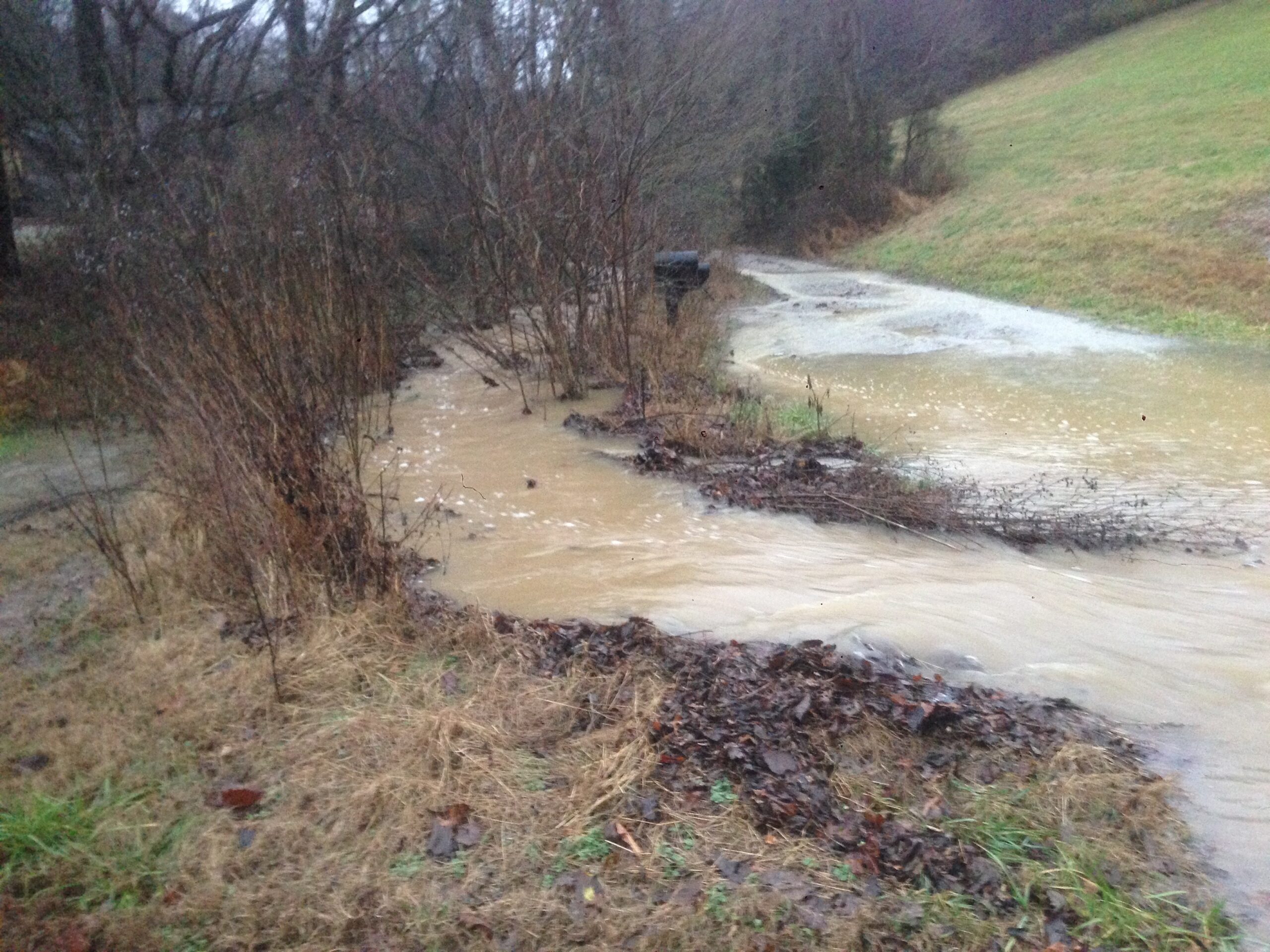
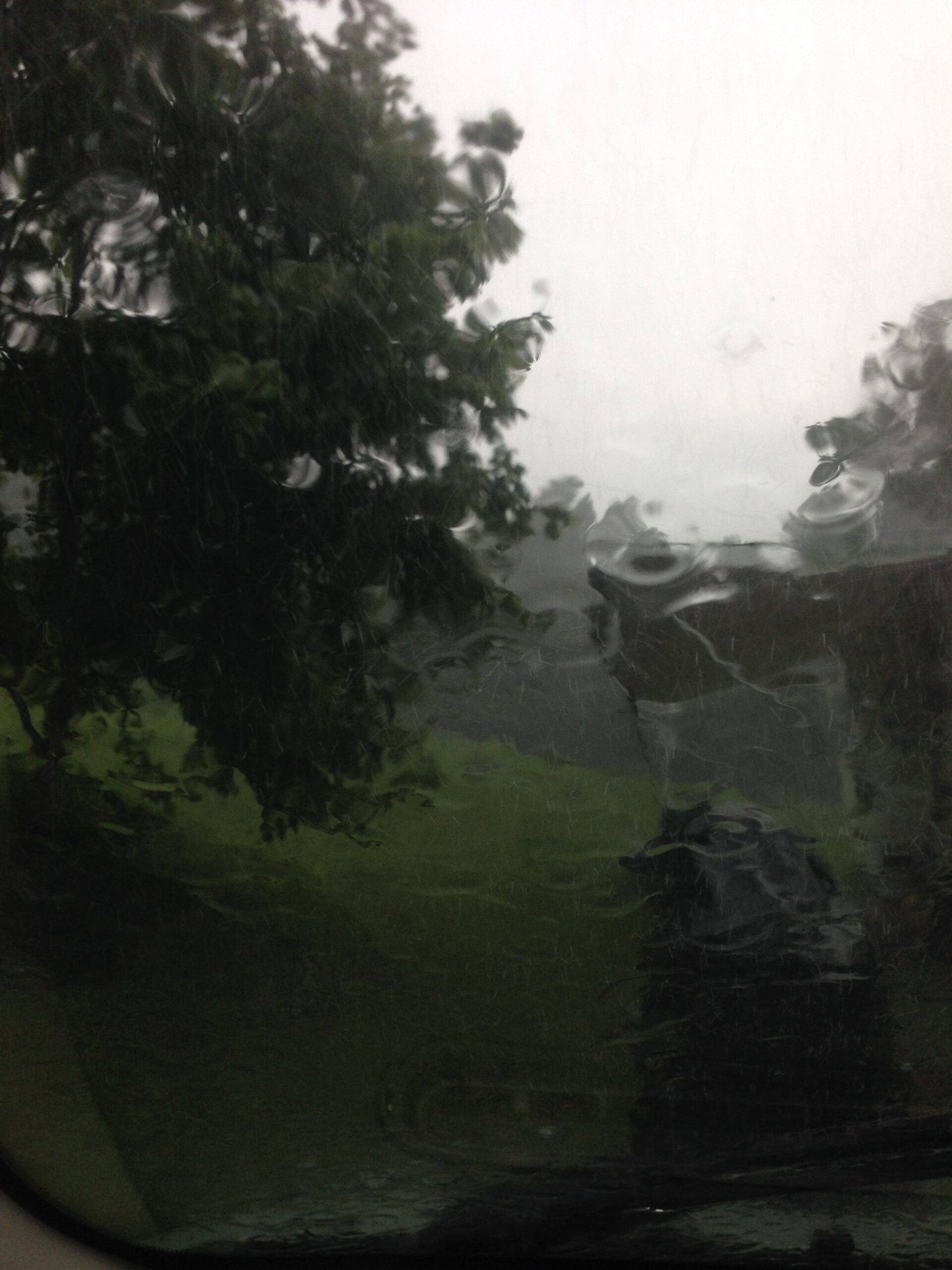
After three brutal years carving Kalien Retreat out of Tennessee wilderness, we were exhausted in ways that sleep couldn’t fix. We’d kept two horses that required daily care, and when it rained for forty straight days—setting an all-time February record—that care became an ordeal testing everything we thought we wanted.
The mud was so deep it would suck my muck boots right off, leaving me hopping through the barnyard in stocking feet like some demented homesteader. I installed gutters, positioned rain barrels, patched the ancient tin roof. The horses stood in perpetual dampness. I stood in perpetual guilt.
One morning, after feeding the horses and retreating to our master bedroom with hot coffee, I looked over at Gina. Her eyes were filled with tears.
“I just don’t know if I can handle much more of this rain.”
When Gina cries, I melt. This woman who’d stood beside me through construction disasters, financial ruin, and complete reconstruction of our lives had reached her breaking point over something as simple and relentless as weather.
That morning, I climbed the soggy path to my studio, and turned on the computer and discovered something: because of my age, I could finally withdraw the remaining $30,000 from my retirement account without penalty. It wasn’t much. But it was enough.
I called our financial manager John Palm—one of our closest friends who’d watched us pour our hearts into Kalien—and told him about Gina’s tears. He understood immediately. He had an Airbnb property in Dunedin, Florida. Could we escape for a few days?
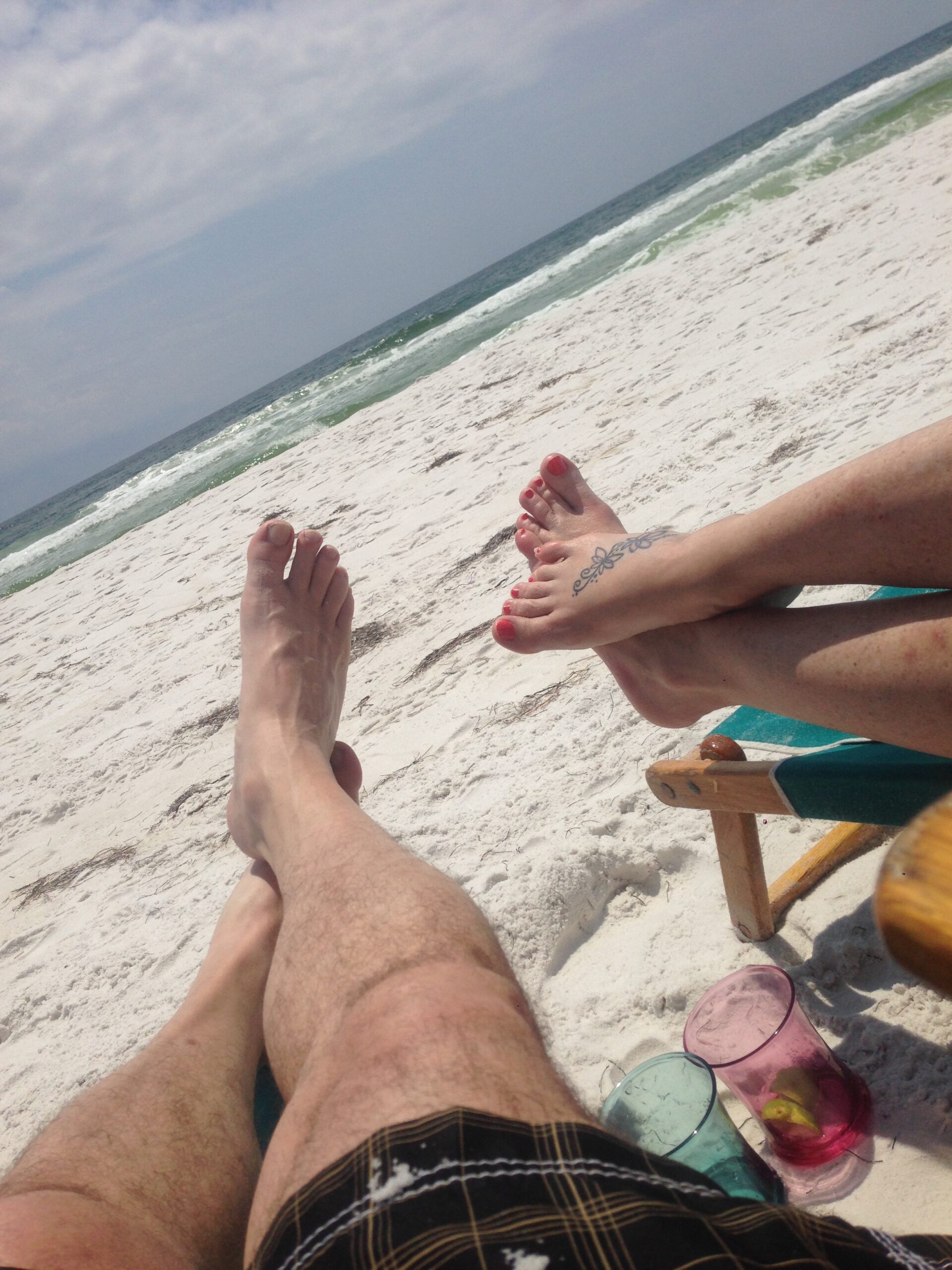
Two days later we were driving south through sunshine, savoring blue skies and puffy white clouds like refugees from a meteorological war zone.
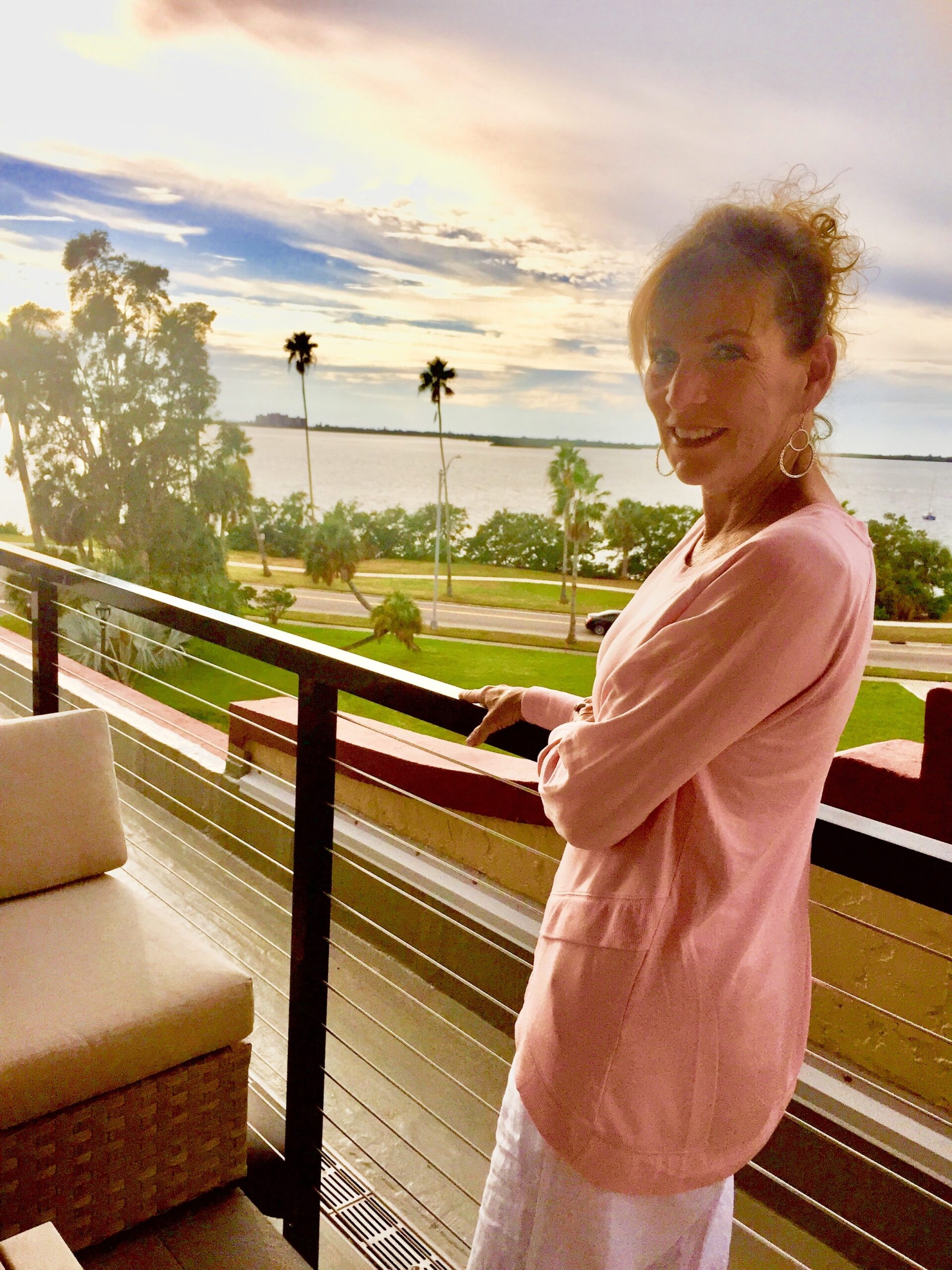
We biked the Pinellas Trail, rode into downtown Dunedin for a food festival, fell in love with this gentle coastal town that felt like the opposite of everything Kalien demanded. Where Kalien was rugged and challenging, Dunedin was gentle and welcoming. Where Kalien required constant physical labor, Dunedin invited relaxation.
Over sunset cocktails watching the Gulf of Mexico, Gina shocked me: “Why don’t we look at properties tomorrow?”
She’d explicitly told me she would never live in Florida again—too flat, too suburban, too far from mountains. But survival requires compromising with previous assumptions about home.
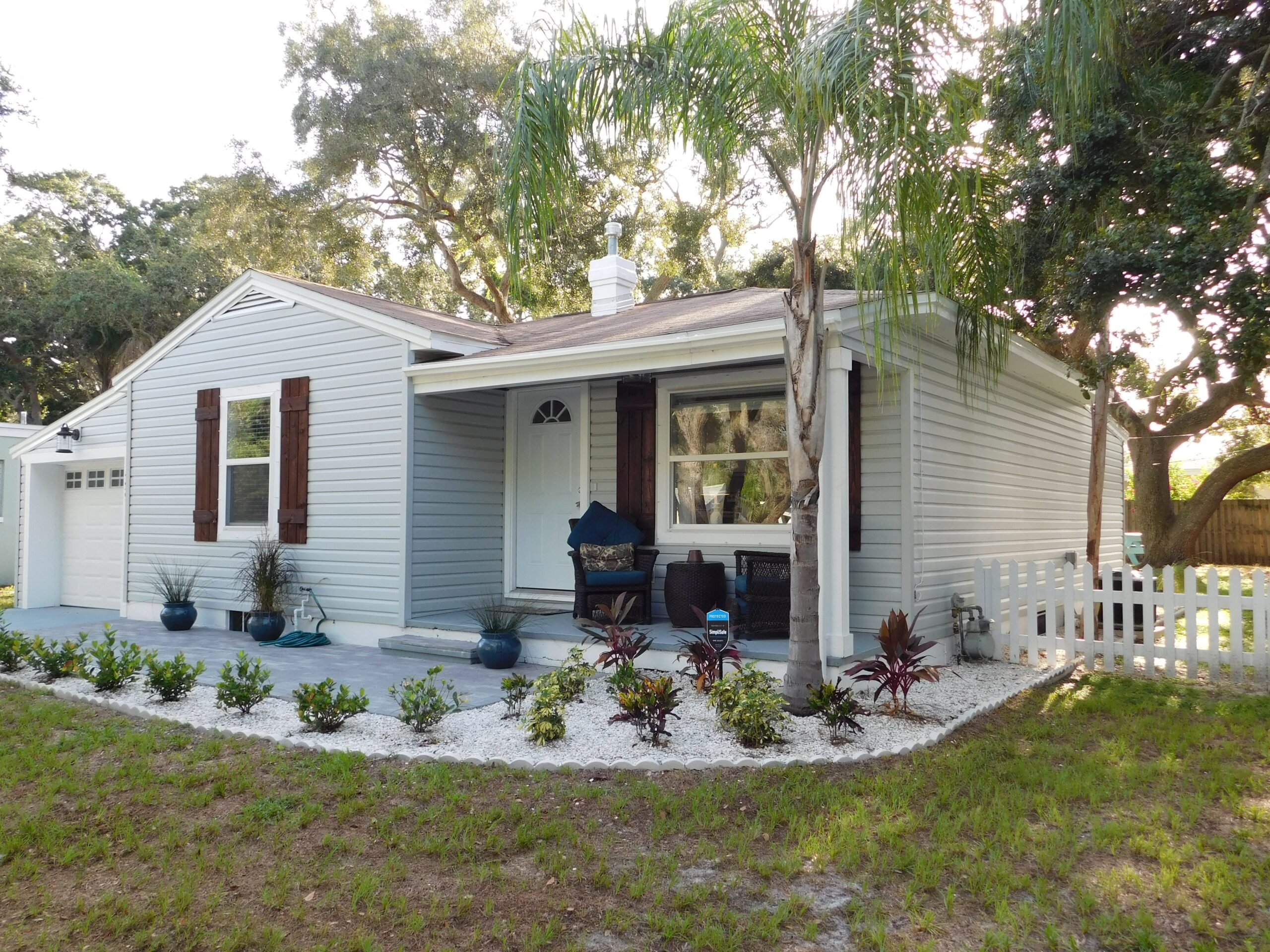
We found a small cottage that felt like anti-Kalien in all the best ways. I put the $30,000 down, secured a 2% loan, and seven years later made ten times our investment when we sold.
But the immediate benefit wasn’t financial speculation. It was discovering we’d created our escape valve.
Then Jimbo, one of our Kalien board members, casually suggested: “Why don’t you Airbnb the cottage when you’re at the farm, and Airbnb the farm when you’re at the cottage?”
That changed everything.
The majority of ministers and artists—the people we’d built Kalien for—wouldn’t pay. They wanted scholarships, free stays, special treatment. But regular people celebrating anniversaries, recovering from job burnout, processing deaths and divorces? They paid double, sometimes triple what we’d asked from church folks. Both properties filled up. The rental income paid mortgages and upkeep for both places with money left over.
Financial relief coming in like crazy for the first time in years.
We’d stumbled into something more than weather relief. The cottage gave Gina what her extrovert soul required—buzz, old friends, her four-generation-deep Florida Cracker roots. Kalien gave me what my introvert soul needed—solitude, mountains, wilderness. Instead of one person always compromising, we each got what we required to stay whole.
We learned that having an escape route doesn’t diminish commitment—it makes commitment sustainable. That wholeness doesn’t require suffering through every hardship. Sometimes wisdom means creating alternatives rather than martyring yourself to a single vision.
The rain eventually stopped. Spring arrived and Kalien returned to its usual manageable challenge. But we kept the cottage and the psychological safety it represented. We’d discovered that authentic living doesn’t mean choosing one version of yourself. Sometimes it means expanding your definition of home.
That little cottage in Dunedin became more than our escape from Tennessee rain. It became our launching pad to possibilities we hadn’t yet imagined.
But those stories come next.
Leave a Reply