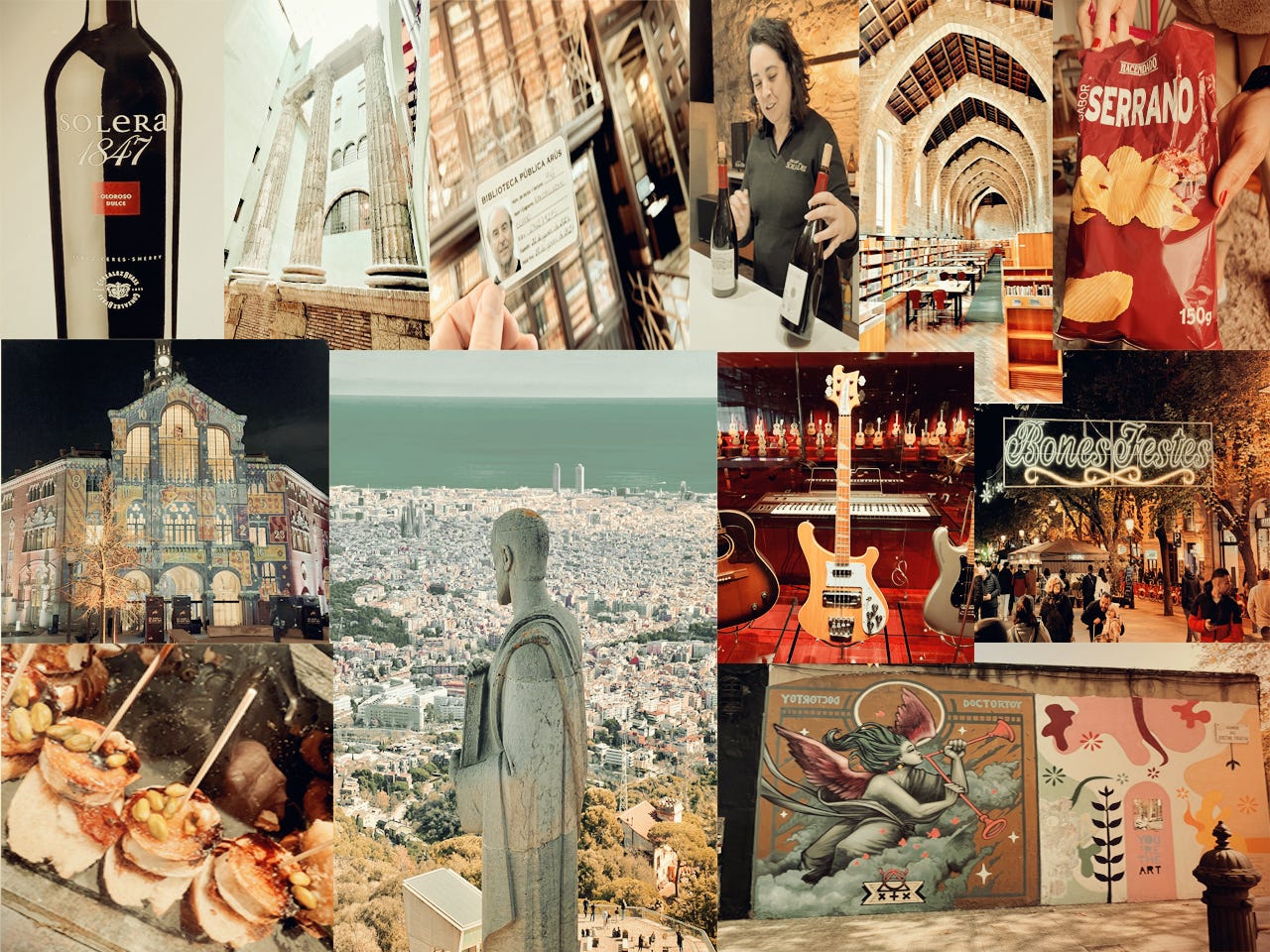
When we moved to Barcelona almost three years ago, I did not do my homework. For some inexplicable reason, there was none of my typical meticulous research of Spanish and Catalan history nor of the city of Barcelona. It was late 2023, and we were still dealing with the aftermath of Covid, and even more, the devastation that Trump was wreaking upon my birth country, and disbelief that America was standing impotently by and watching like the proverbial frog in the kettle. We just wanted out… fast.
I am making up for that lack of research now.
Brief Sidebar: Unfortunately, as I write this on the last day of August, 2026, Trump is not only destroying America but also the world as we know it. And this very day my mother and father, both age 86, have horrible cases of COVID. America’s lack of faith in science and vaccines due to politics has ensured that COVID (and other curable diseases) will continue to ravage the MAGA community and thus America. Here in Barcelona, we are crammed inches apart and maskless in buses, metros, trains, and buildings, and we have never given COVID a second thought because the vast majority of our city and country are vaccinated and boosted annually.
Okay, enough of that. Now to the point of this fun article. I have discovered a plethora of books that have taught me about the layers, depth, and history of this area—one of the cultural meccas of the world. Two favorites include: Colm Tóibín´s beautifully written Homage to Barcelona, and Catalonia: A Cultural History by Michael Eaude. There are so many: Giles Tremlett´s España, Homage to Catalonia by George Orwell, and a fascinating historical novel by ldefonso Falcones, Cathedral of the Sea, to name just a few that I have had the pleasure to read.
After three years of exploring the labyrinthian streets of Old Town, the grids of L’Eixample, and the outlying neighborhoods of Sarrià, Gracià, Mt. Tibidabo, Collserola, Poblenou, and a few miles away, Montserrat, Priorat, Penedes, Girona, Sitges, and the Costa Brava, I have discovered many surprises. Many of these will be unknown to the tourist or traveler who stays a few days, and some will be undiscovered even for those lucky enough to spend a few weeks in this seductive and artistic haven that the ancient Romans called the center of the world.
Here is my list so far. I have included just a few for brevity’s sake. They are in no particular order.
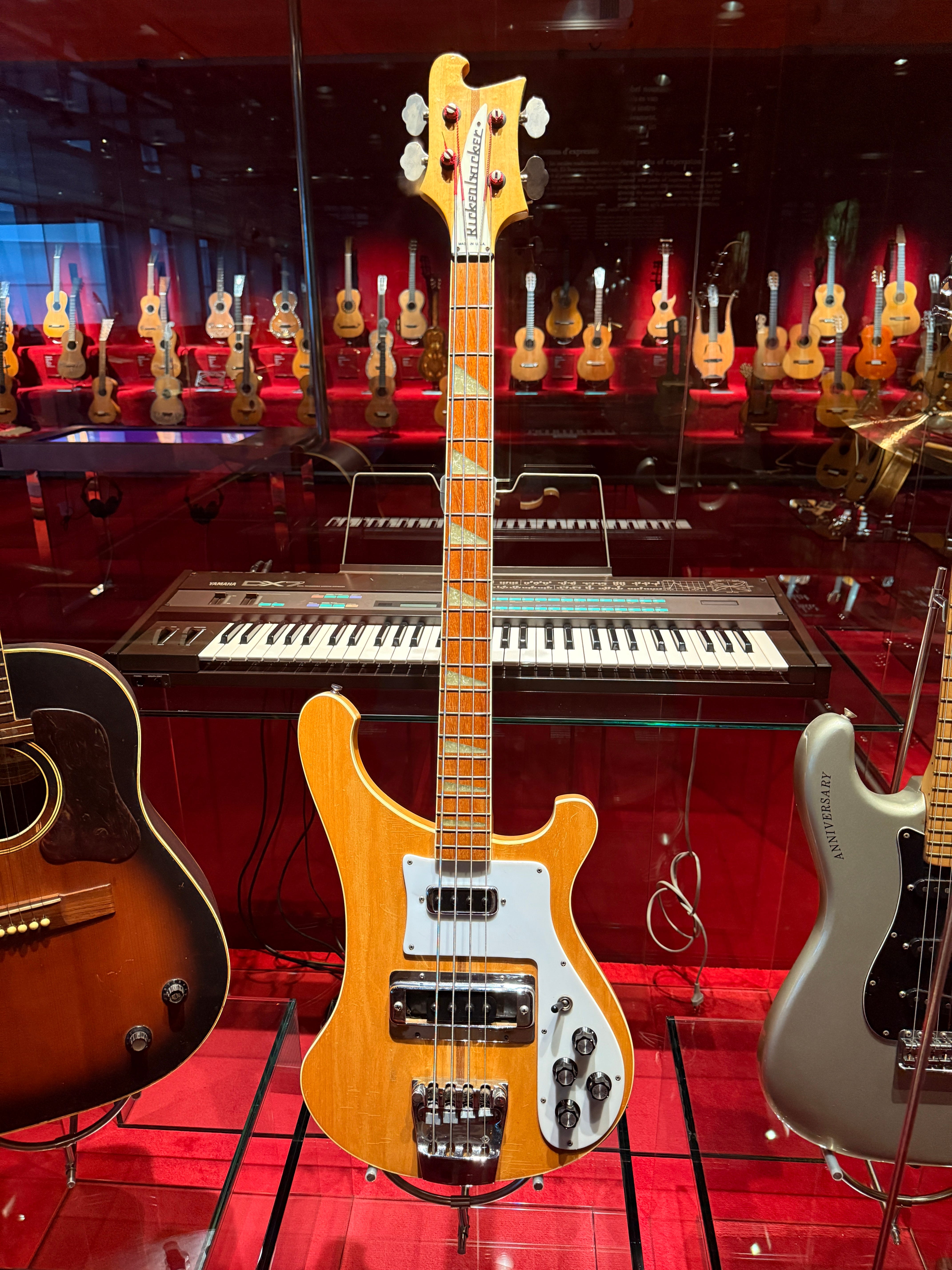
Music Museum (Museu de la Música)—I stumbled upon this museum by accident; admission was free for me that day because I am over 65 (which is true of many of the greatest museums in Barcelona—another pleasant surprise). During the entire visit, I saw only two other people. It was like I had the space to myself, and it was magic. The collection of instruments defies belief. If you have a musical bone in your body, this is a must-visit. The layout and design are warm, beautiful, and informative. The instruments from around the globe are displayed like works of art.
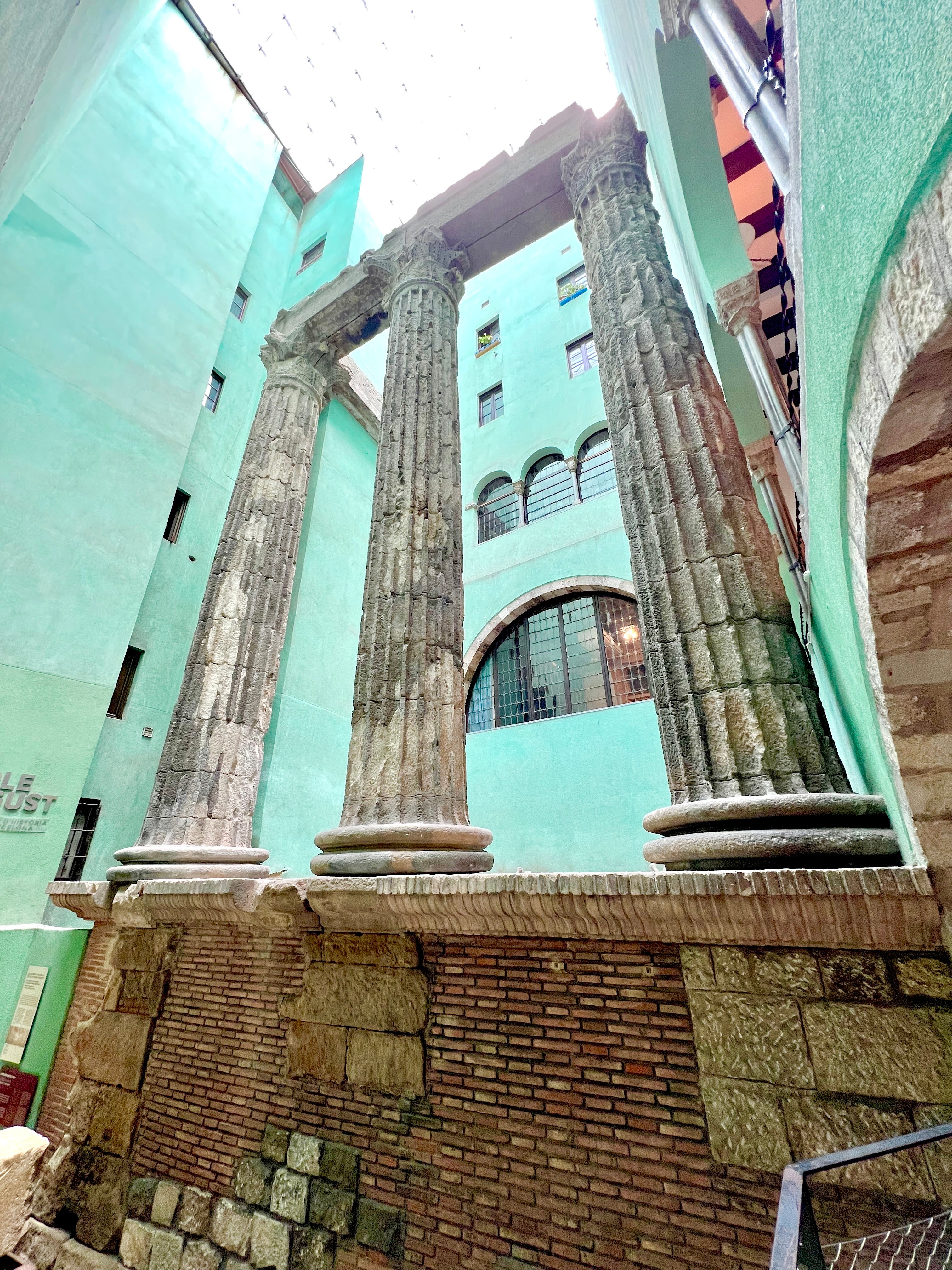
Temple d’August—Hidden away in the heart of the Gothic Quarter, just behind the Cathedral, are the pillars of an old temple in Carrer Paradís (Paradise Street—religious name or shades of Roman orgies?). This is one of the dark, often deserted streets that counter-point so startlingly Barcelona’s bustle. The four, massive nine-meter-high Corinthian columns are nearly as old as the city itself, dating back to the first century BC. The pillars mark the highest point of the old Roman city, known as “Mont Taber” ironically named, as it reaches only 55 feet above sea level.
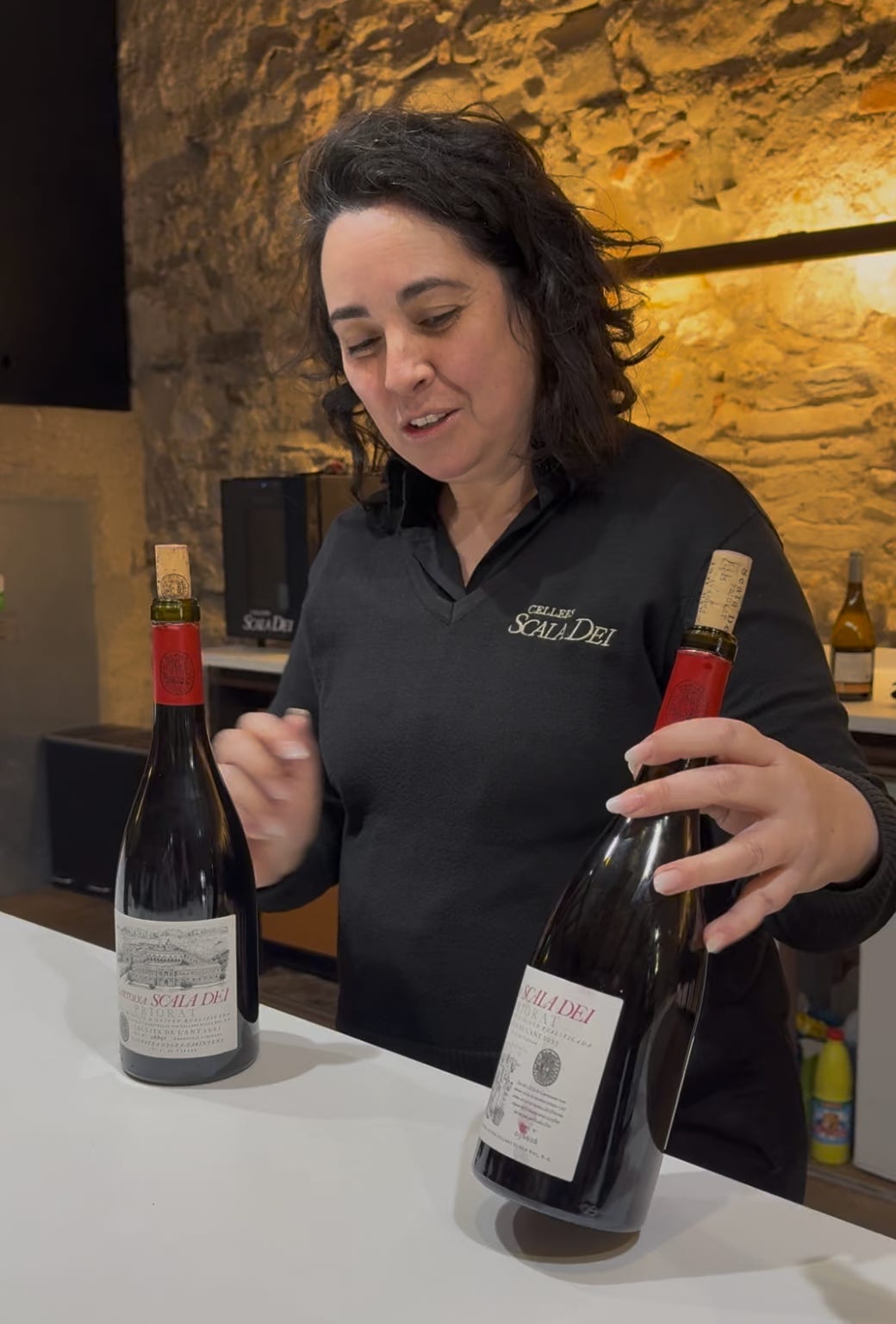
Penedes and Priorat—I had no idea that we were moving into one of the great wine regions of the world and only a few miles away. The mostly unknown Priorat region has some of the finest wines I’ve ever tasted, and the vineyards, wineries, and surrounding areas harken back to a more simple, less commercial time (yes, I’m talking about you, Napa). And the fascinating Penedes region is home to Cava, Spain’s version of champagne.
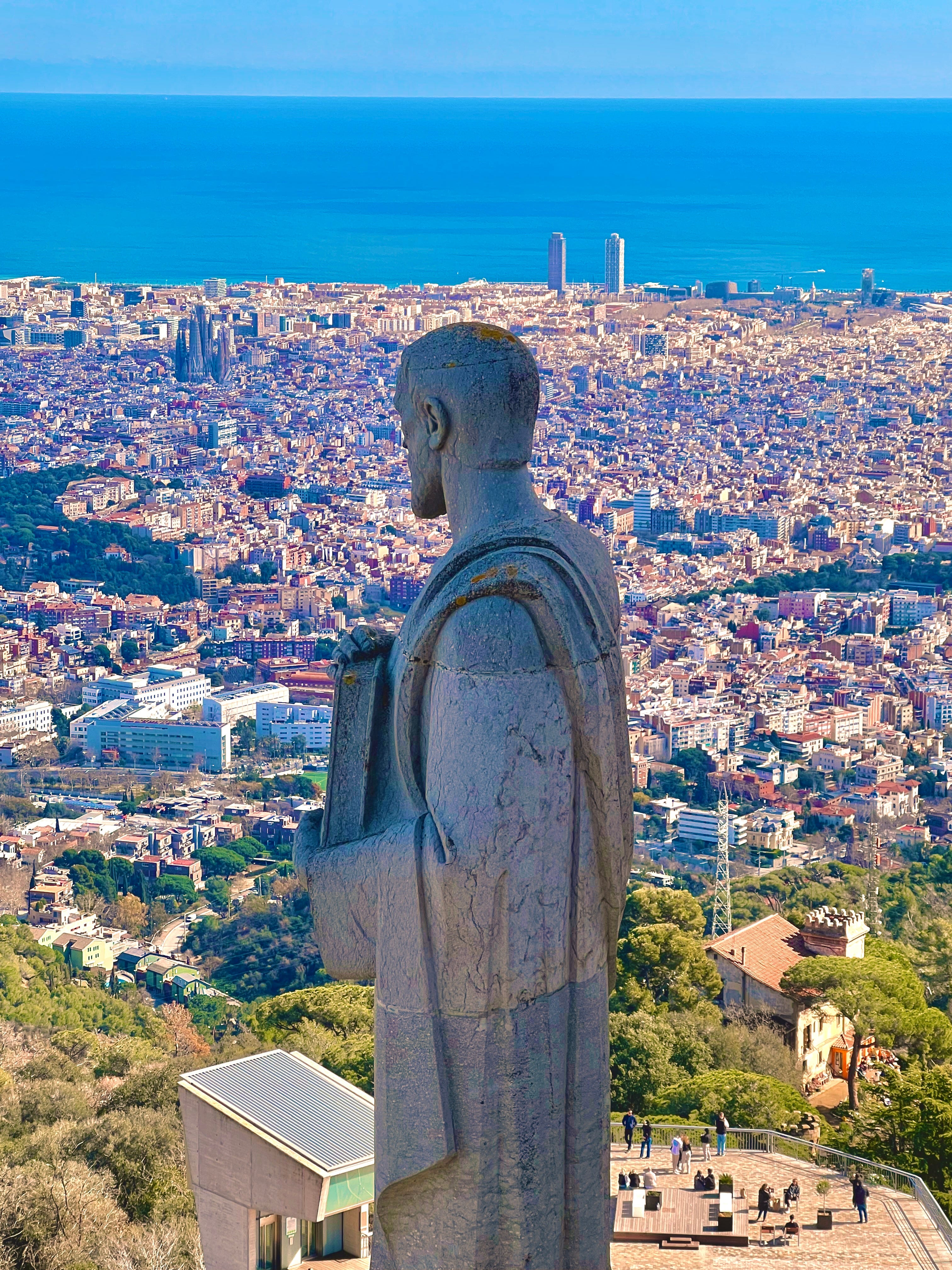
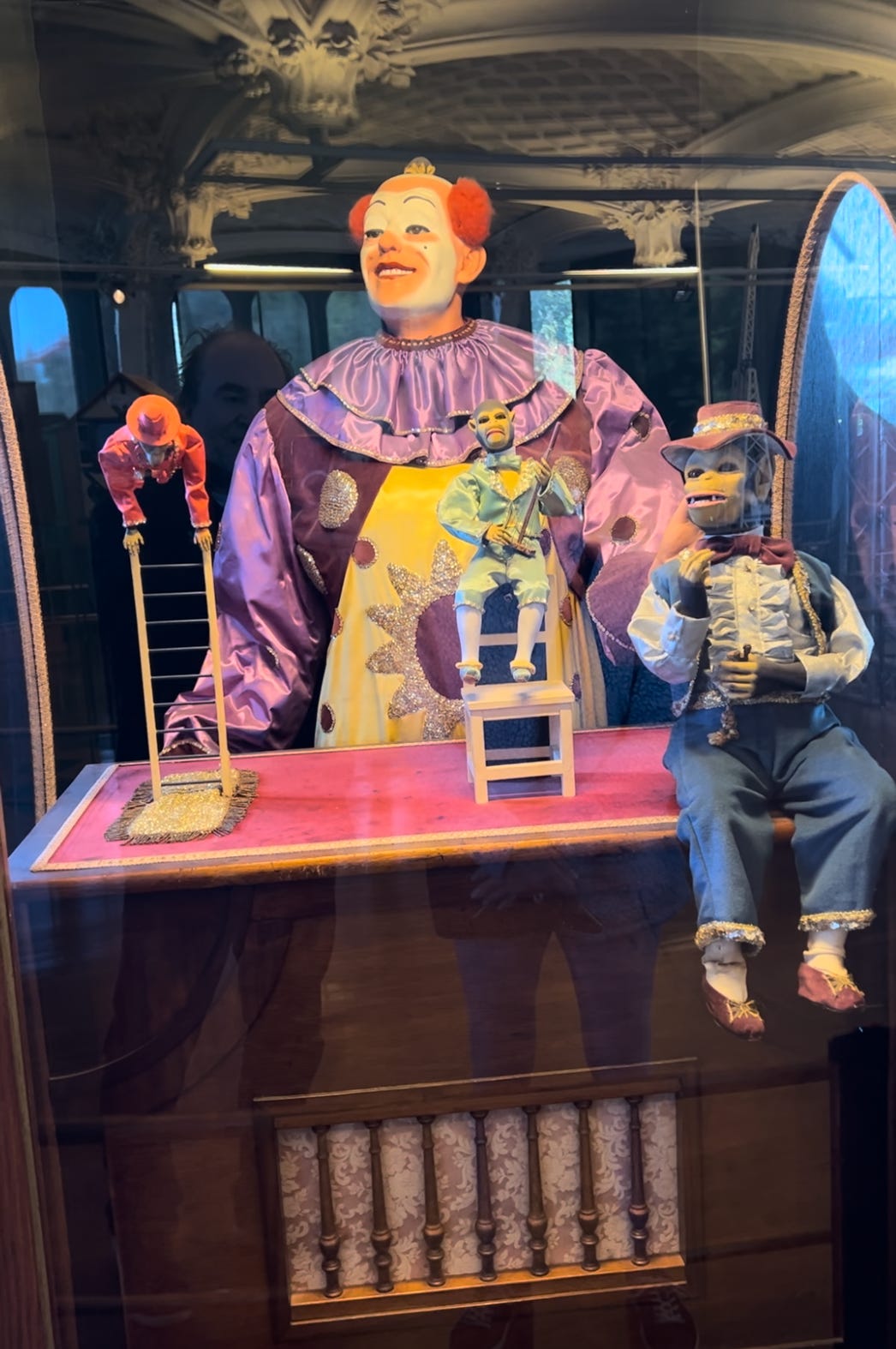
Mt. Tibidabo—The name comes from the Latin phrase “tibi dabo,” meaning “I will give to you,” which refers to a biblical passage where the devil offers Jesus all the kingdoms of the world from a high mountain. I love the mountain so much I featured it in my recent novel The Mysteries of Barcelona. On the mountain which overlooks stunning vistas of the city and the Mediterranean, you will find the fabulous Temple Expiatori del Sagrat Cor (we can see it from our apartment terrace), a quirky amusement park (featured in the movie Vicky Cristina Barcelona), the futuristic Torre de Collserola, my favorite running trail, the Carretera de les Aigües, and my sentimental pick for favorite museum, the Museu dels Automats del Tibidabo, which is regarded as one of the best automaton museums in the world, especially for the excellent condition of its pieces from the 19th and 20th centuries.
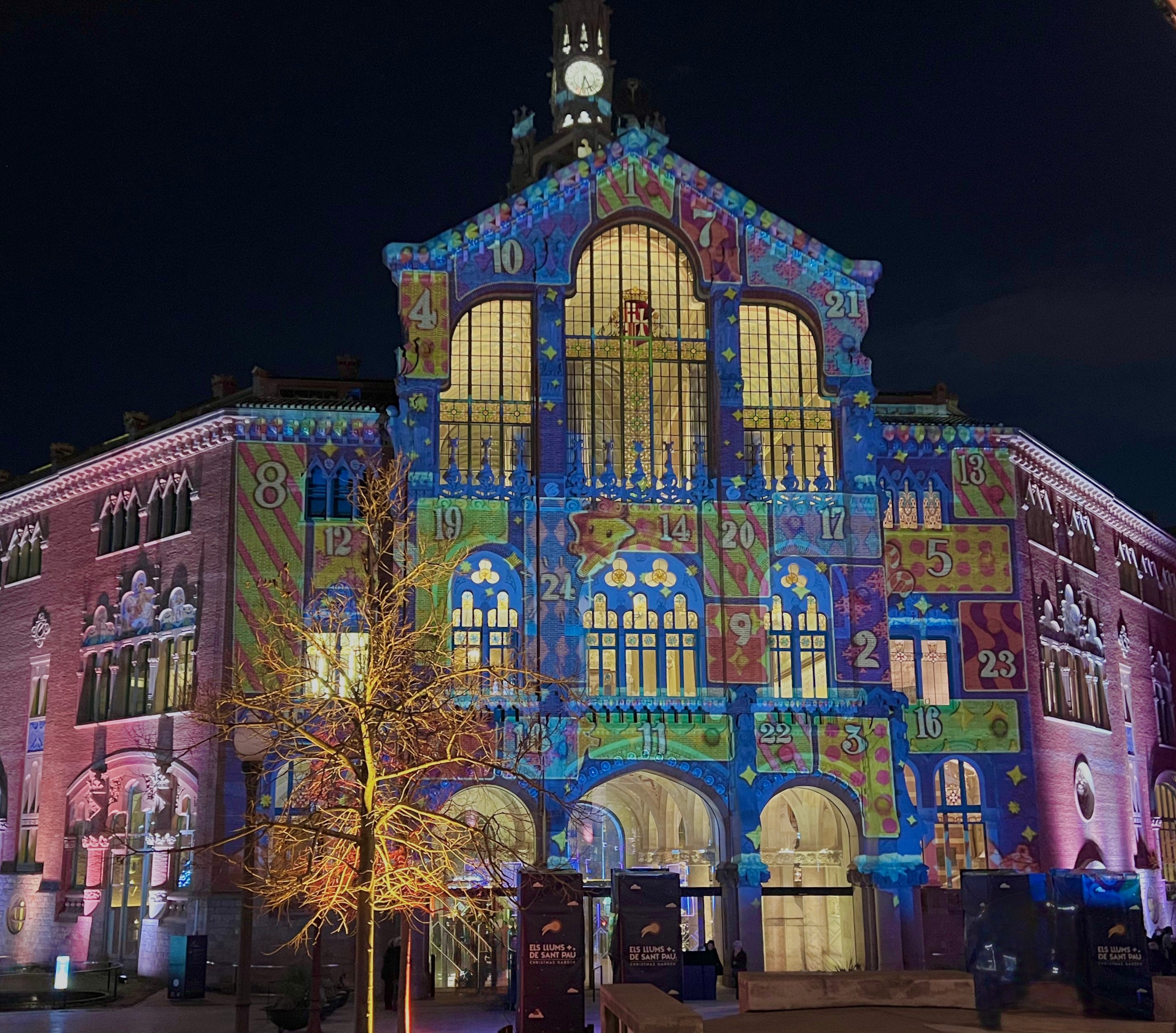
San Pau Hospital—The former Hospital de la Santa Creu i Sant Pau is a stunningly beautiful complex built between 1901 and 1930. It is one of the most prominent works of the Catalan modernisme architect Lluís Domènech i Montaner. Together with Palau de la Música Catalana, it was declared a UNESCO World Heritage Site in 1997. And for Christmas, you must see it to believe how beautiful it becomes.
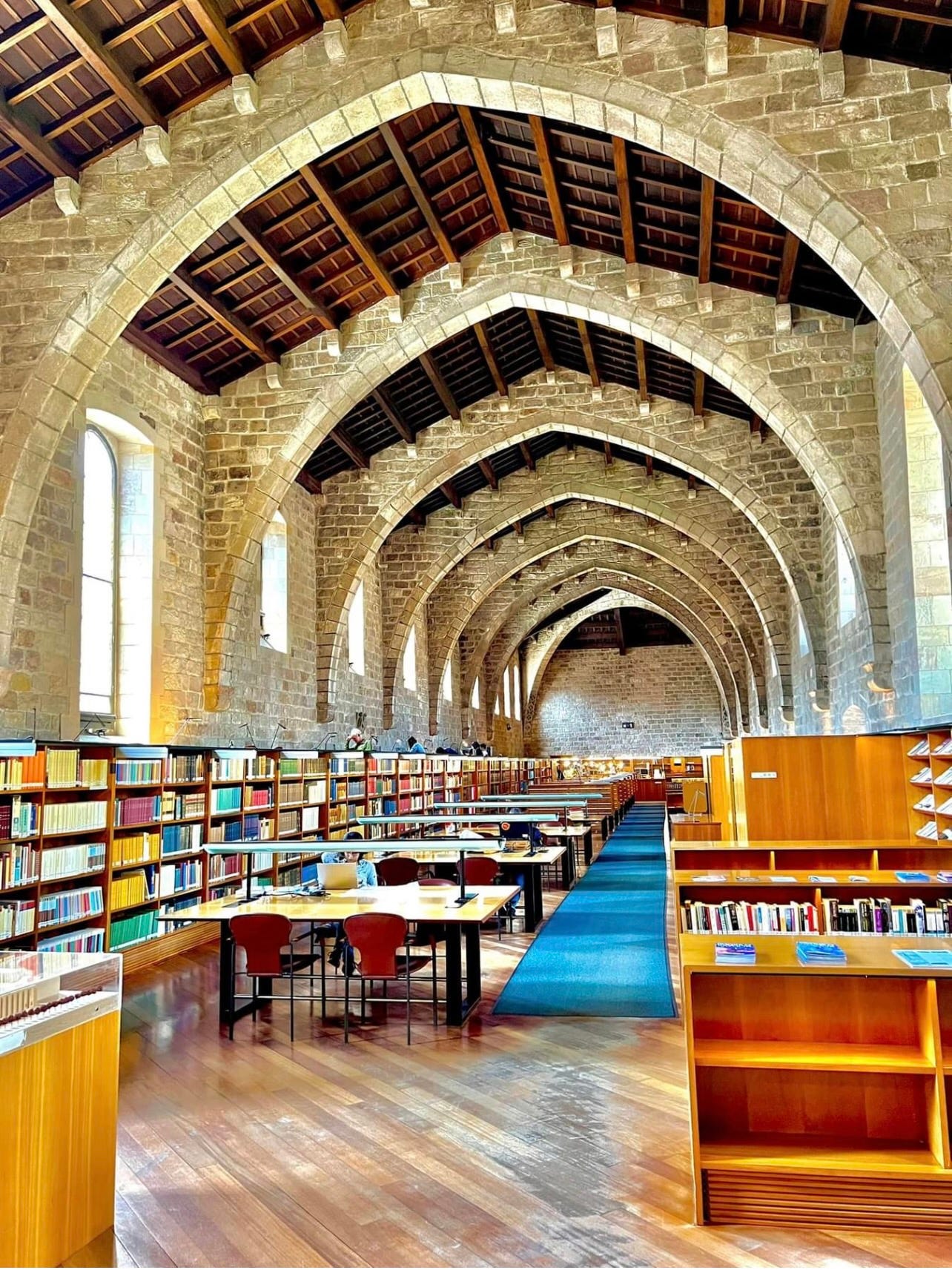
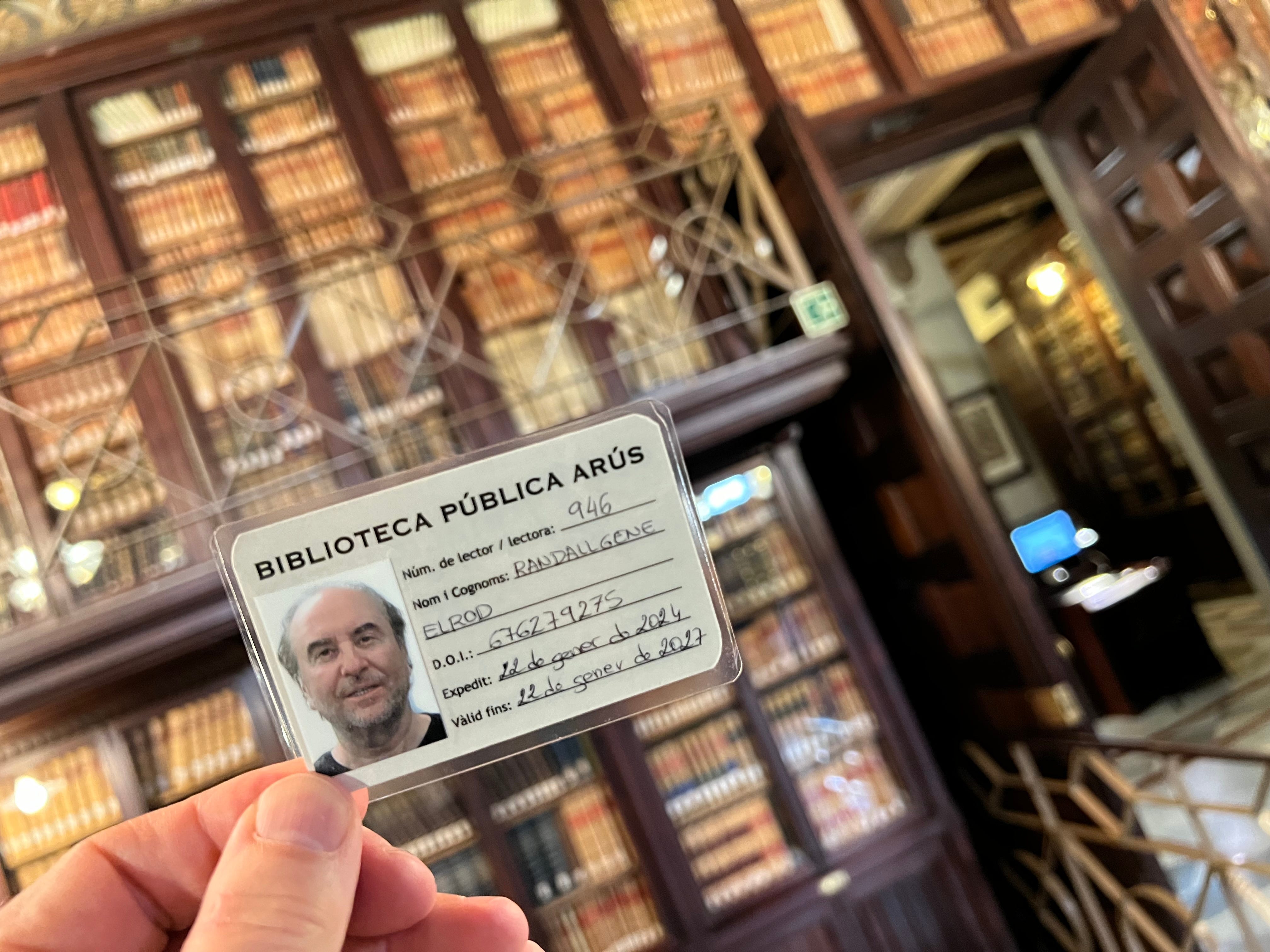
Stunning Libraries—I love libraries, and one of my bucket lists is to visit all the great libraries of the world. And it’s awesome when you have four of the greatest in your own city. I am a member of two of them: The Biblioteca Pública Arús (1895), which features a beautiful reading room and a Sherlock Holmes Collection, the largest in Spain and one of the largest in the world; and the Biblioteca de Catalunya (1907), which is housed in the former Hospital de la Santa Creu, built in 1401. The vast reading rooms are magnificent. Two other libraries that should not be missed: Biblioteca i Arxiu Històric, which was also featured in the movie Vicky Cristina Barcelona, and of course the Biblioteca Gabriel García Márquez, voted the #1 library in the world. It is the most unique and innovative library I have ever visited. And I have experienced many. I included the links in the names so you can explore further.
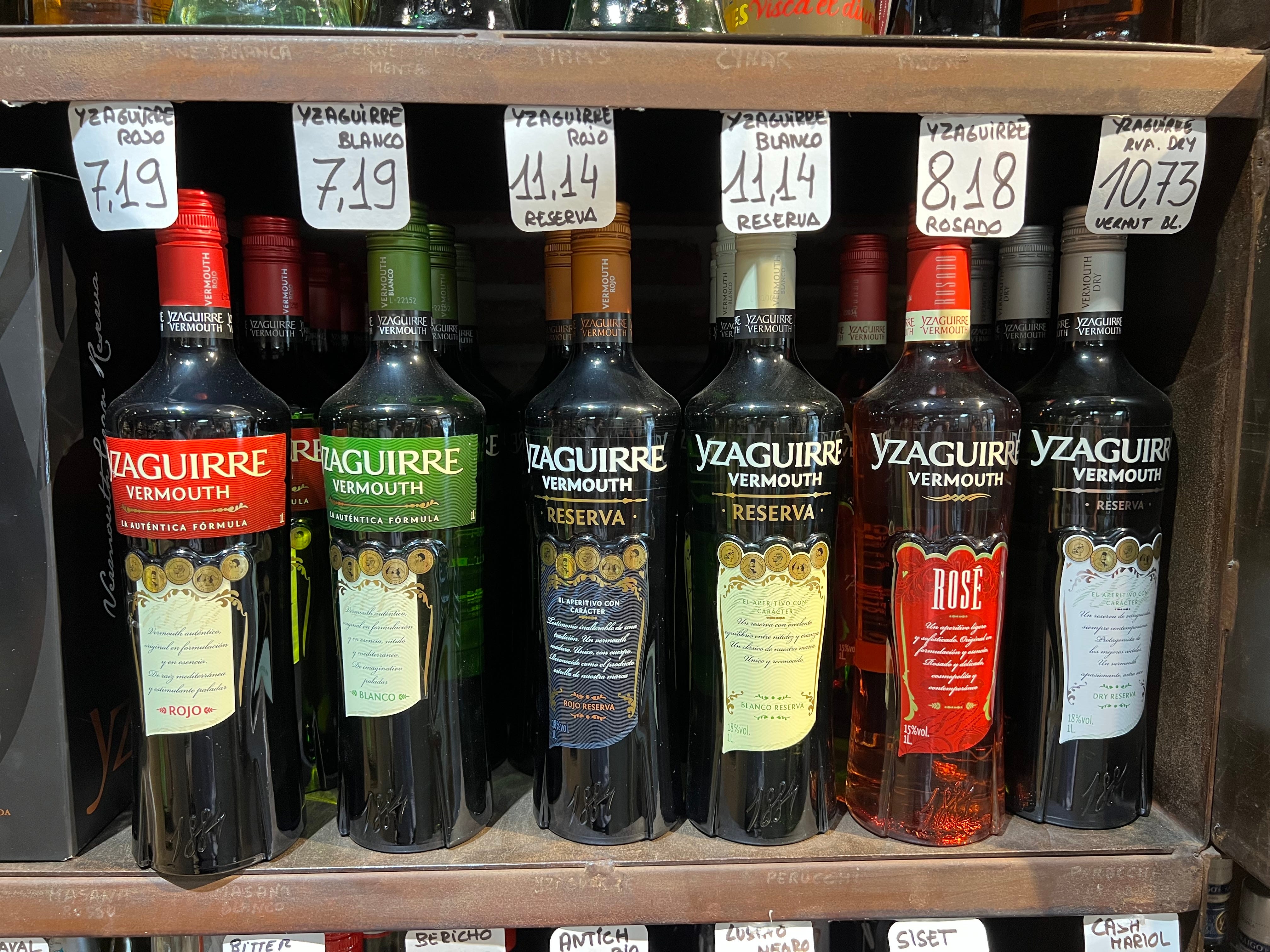
Vermouth and Sherry—Before I moved to Barcelona, I thought vermouth was a spirit to add to cocktails, i.e., a Dry Martini or a Manhattan. Imagine my surprise in discovering vermouth is the featured drink of choice in Barcelona. There are numerous vermouth bars and myriad choices. Our choice is Yzaguirre. And our favorite bartender, Fran, at La Whiskeria, educated us on Spanish sherries, and oh my! Who knew? My favorite is Lustau Amontillado Los Arcos, and Gina’s fav is Solera 1847 Cream Sherry. 16% alcohol versus 45% in whiskeys, and much lower calories. When in Spain…
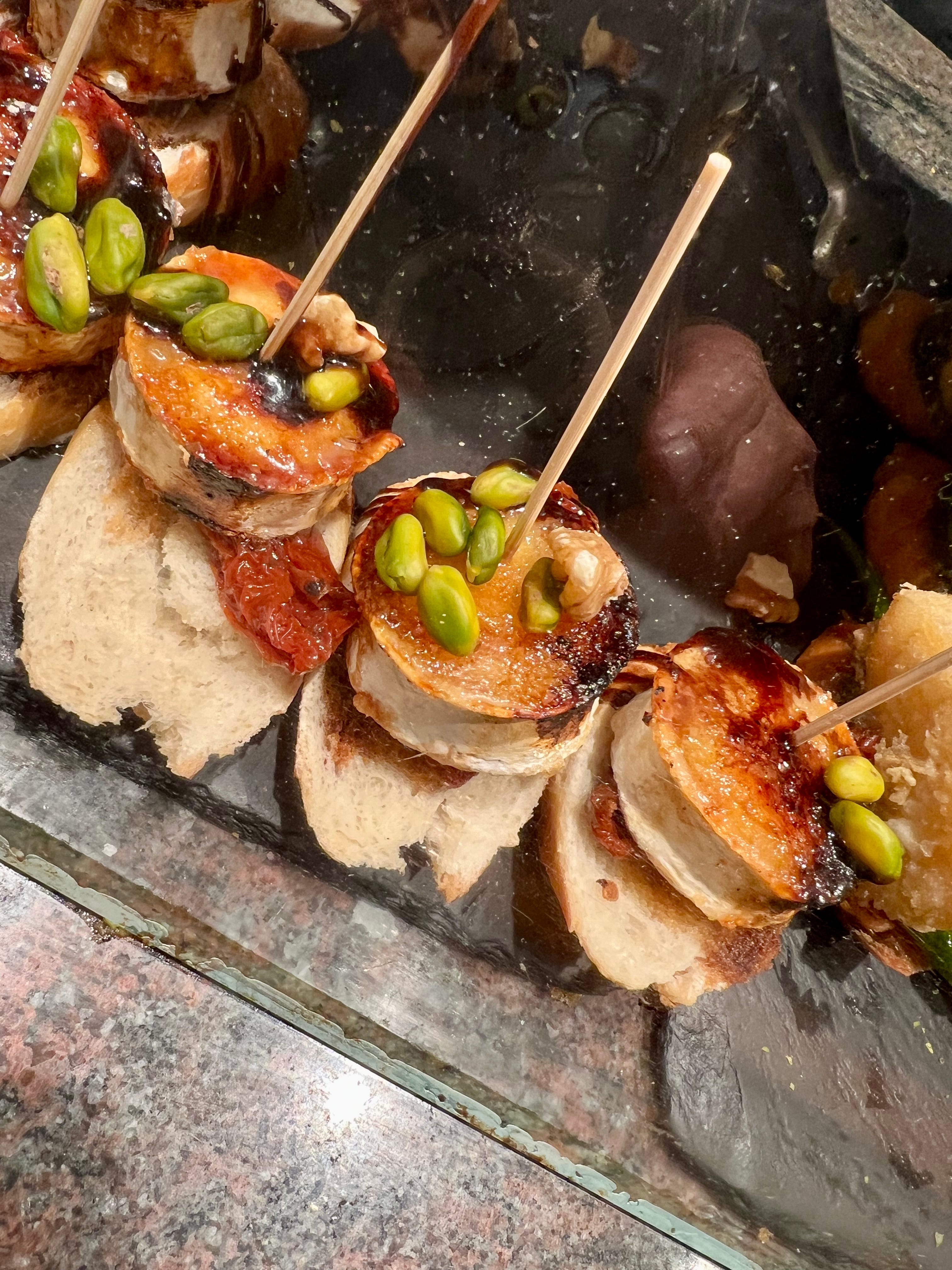
Pintxos—Everyone correctly associates Barcelona with tapas, but another surprise for us was discovering a Spanish specialty originating in San Sebastién: Pintxos. Pronounced “PEEN-chose,” these bite-sized bar snacks are ubiquitous in the Basque Country of northern Spain, where they originated, but have largely flown under the radar outside the region until lately. They are generally served on a skewer or toothpick in a bustling, standing bar setting. These skewered snacks don’t require silverware or even plates, making it easy to talk, eat, and hold your drink simultaneously.
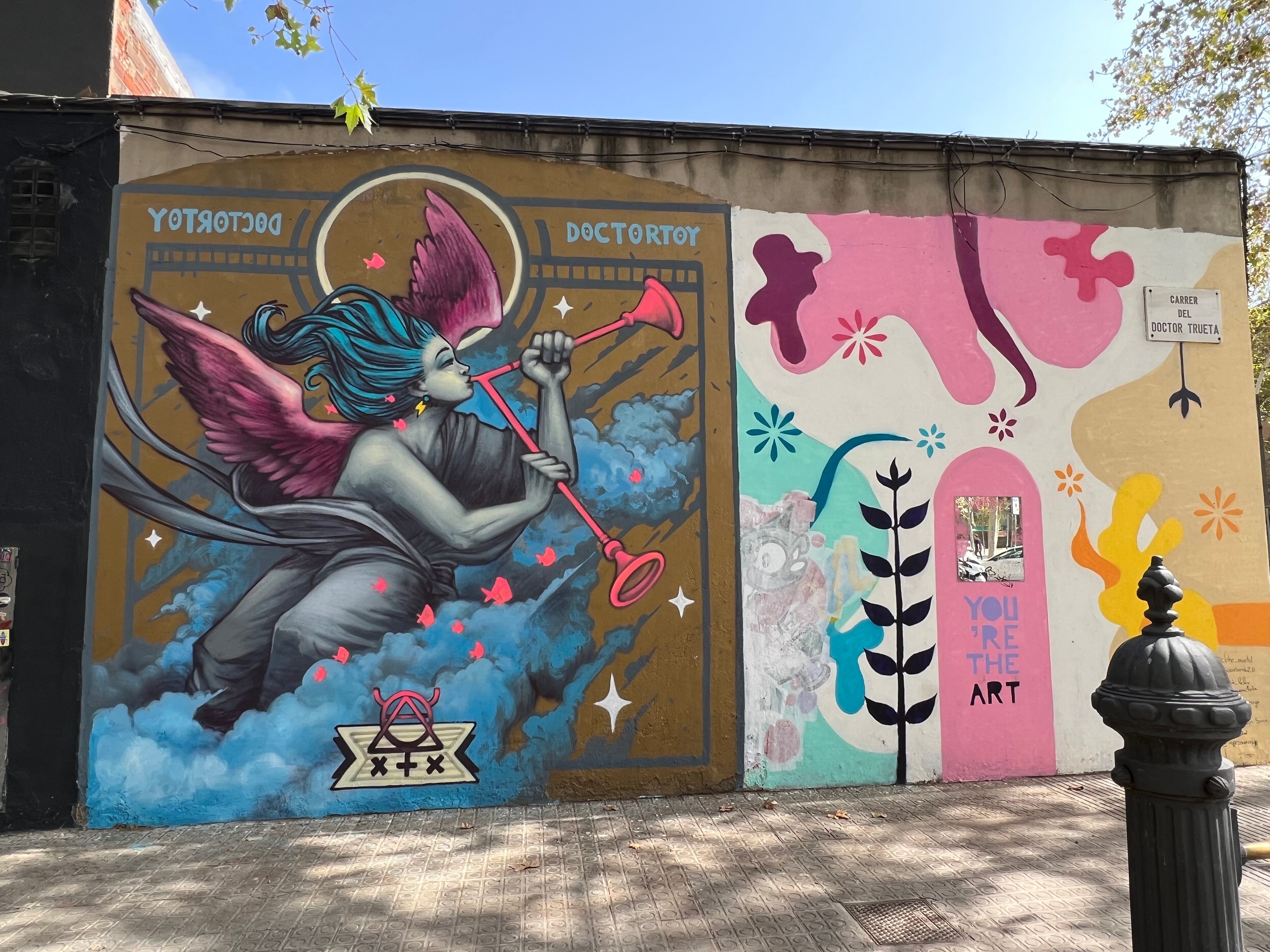
Old Town Graffiti—Most people have no idea that Barcelona is one of Europe’s most visually stunning graffiti and street art destinations. The medieval alleyways create a backdrop for the street art that feels like natural cultural expression. The city maintains several locations where graffiti is permitted, particularly in industrial zones and cultural spaces. El Raval offers the densest concentration of street art, with every alleyway revealing new works. Poblenou provides the most impressive large-scale murals on former industrial buildings. Born has curated gallery-quality pieces in a medieval setting. Gràcia offers politically engaged community art. Here is a website to get you started.
Catalan and Catalunya—We began working on our Spanish lessons months before we moved here, but we had no idea that when we got here the official language of Catalunya is Catalan, a totally different language (another twist is that Latin American Spanish is different than Castilian Spanish). Catalan, not Spanish, is the spoken language in our neighborhood and our markets. Surprise!!
And we did not comprehend the significance of Catalunya as a region that is proudly different from the rest of Spain. There is no love lost between Barcelona and Madrid, and one of the starkest examples is our football clubs. The dictator Franco tried his best for 36 years to erase the Catalan language and Catalunya for good, but he only caused it to flourish. And now even the primary restaurant menus and street signs are required to be printed in Catalan.
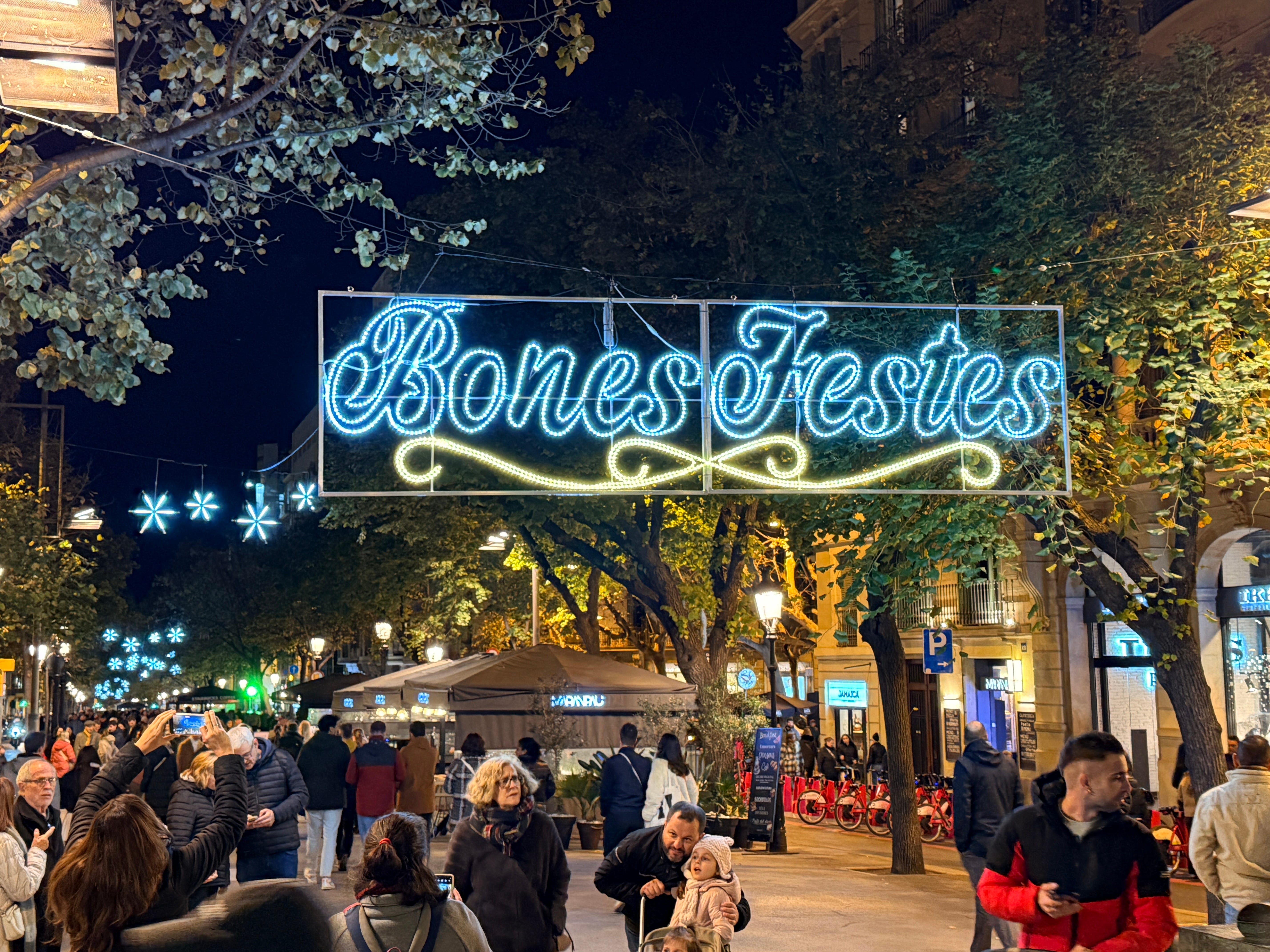
August and Holidays—Another cultural difference that caught us by surprise is that the city and the nation go on holiday during the entire month of August. One must pray that a repair is not needed those four weeks. The city empties and an eerie quiet settles over the barrios (neighborhoods). Most local markets and local businesses close. Adequate preparation must be made if you plan to be one of the unlucky few remaining.
The abundance of holidays was another huge surprise. The Barcelonés people (Barceloníin Catalan) love their holidays, and again the markets and local shops are closed. The city celebrates 13 public holidays each year, along with numerous local festivals and events such as La Mercè and Sant Jordi’s Day. These festivals often include parades, concerts, and cultural activities.
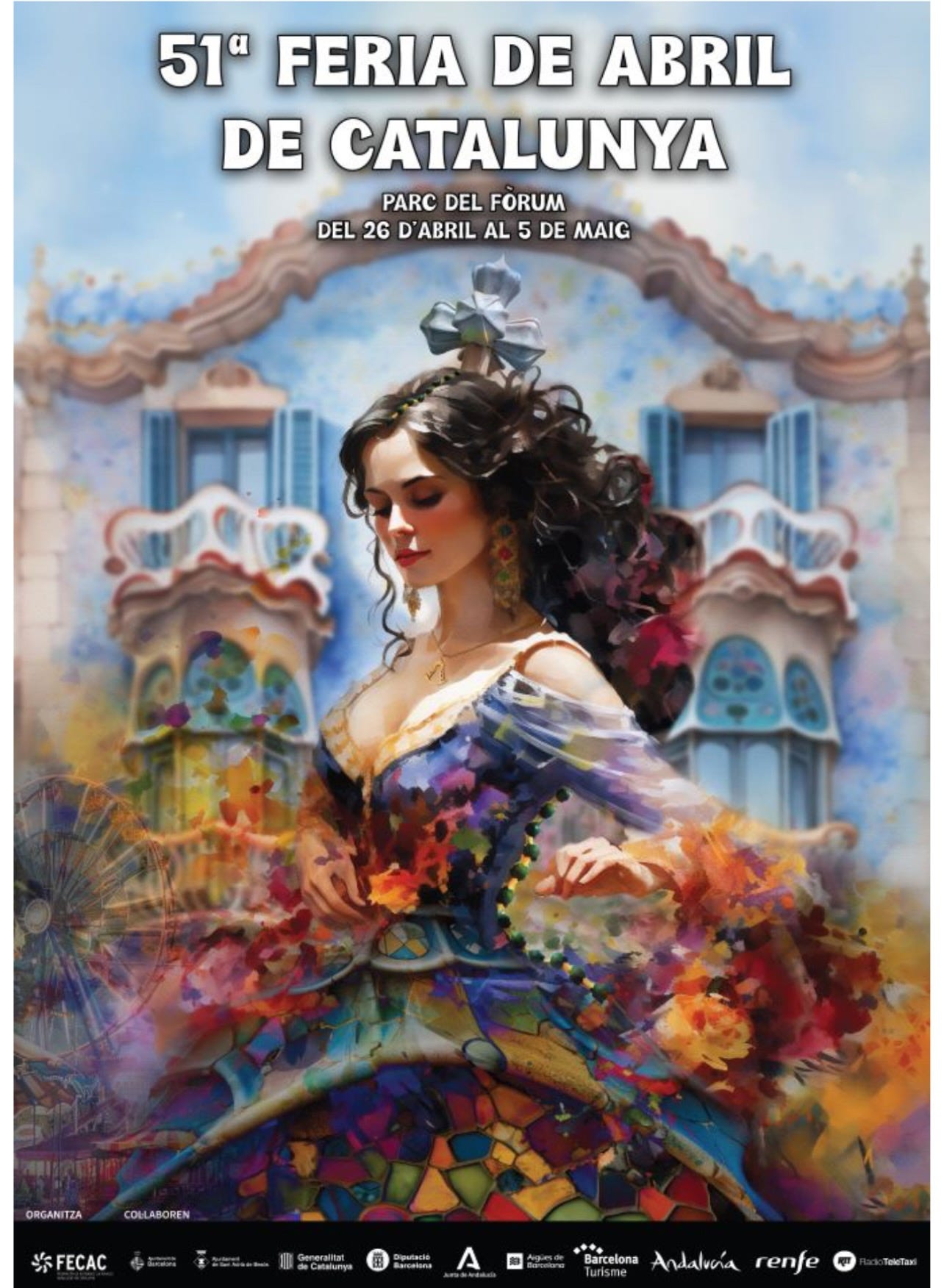
Potato Chips—Of course, if I begin listing all the fresh foods, it would be another post. But I would be remiss if I did not say that one of the biggest surprises for me is the local fresh potato chips. Brands like Bonilla a la Vista, offer high-quality chips fried in olive oil, and Torres, is famous for its gourmet flavors. My favorites are Ametller Origen chips known for their packaging in brown paper bags, which reflects their commitment to natural and traditional methods. This approach emphasizes quality and sustainability, aligning with the brand’s focus on using high-quality ingredients and maintaining a rustic, artisanal feel. They contain only three ingredients: potatoes, olive oil, and salt. And they are delicious.
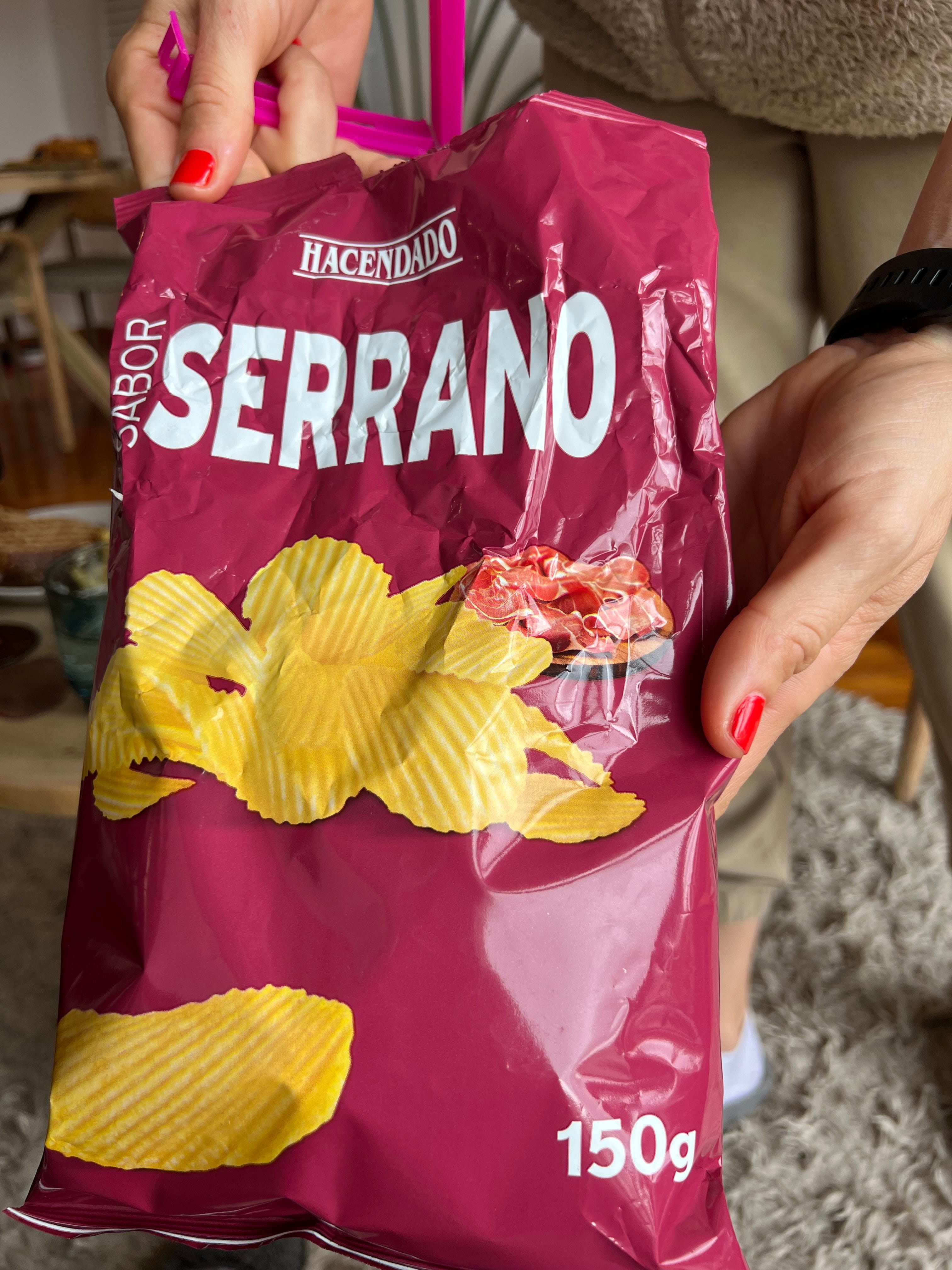
Another surprise is the Jamón ibérico (Ham) chips. They use only the finest potatoes, sunflower oil, and authentic Iberian ham flavoring to create this top-tier gourmet snack. With no artificial ingredients, gluten, or preservatives, each chip guarantees quality and taste worthy of Spain’s culinary heritage. Crazy. But oh so addictive.
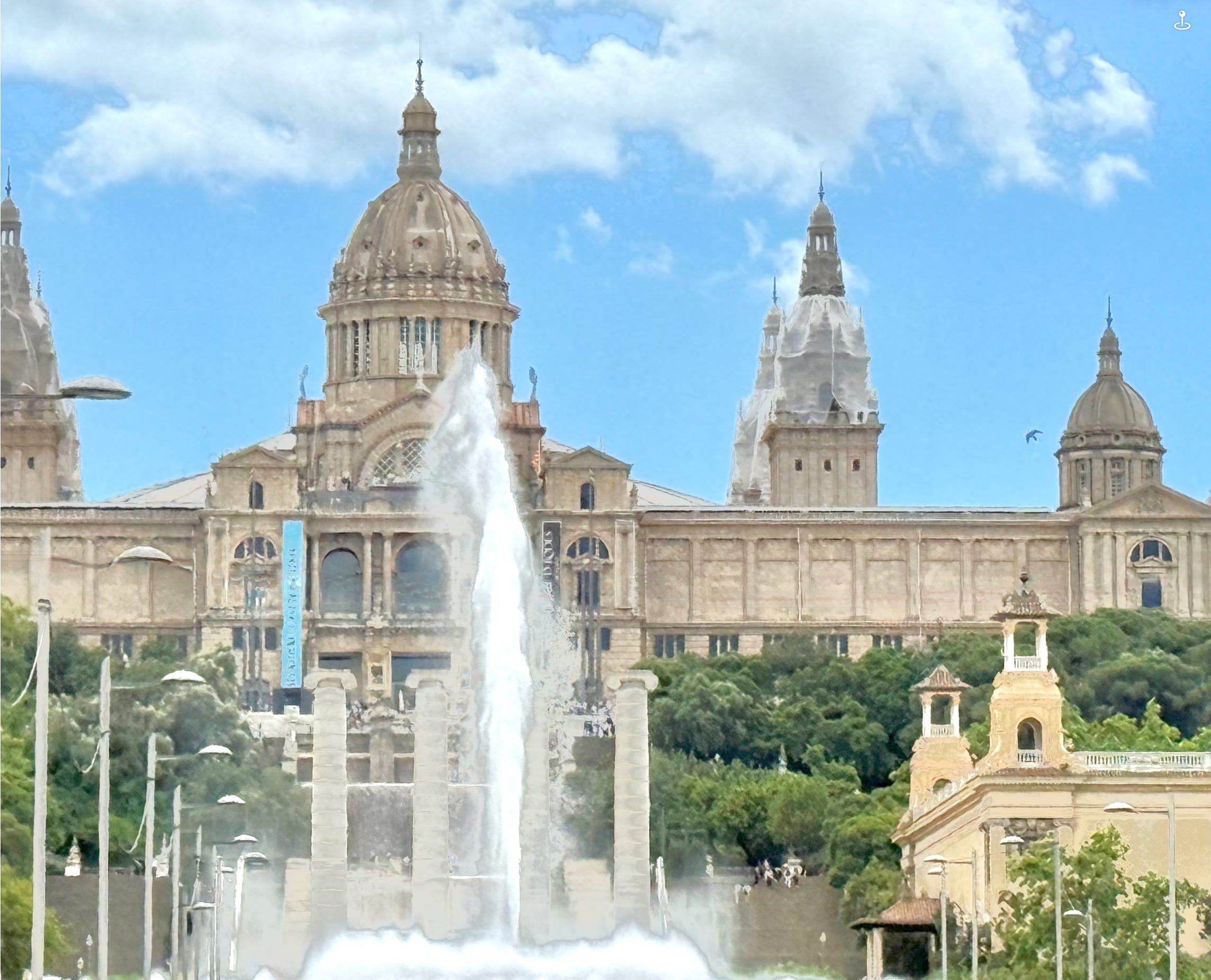
So my friend, if you make it to this greatest city in the world, be sure to bookmark this little guide of surprises. And be sure to give me a shout-out. Believe me, many other surprises await you.

Leave a Reply