
The Historical Novel Society has selected The Mysteries of Barcelona for a review that is forthcoming this fall in the Historical Novels Review Magazine and Website. The news transported me straight back to an elementary school library, decades gone.
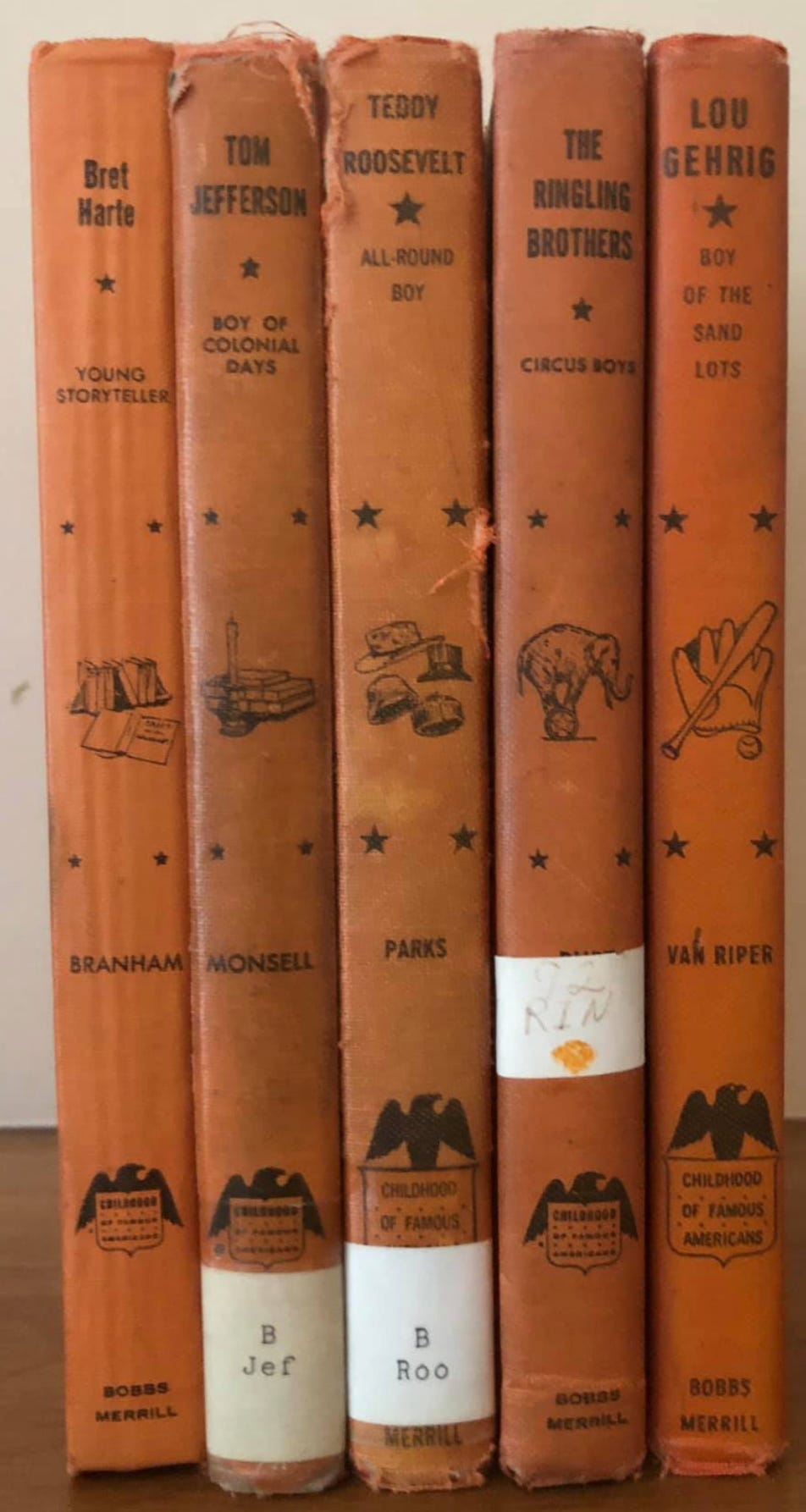
In sixth grade I found the biography section of my school library, Dewey 920, the numbers stamped in black on faded spines, and I did not leave it. I read every book on that shelf. Washington, Edison, Betsy Ross, men and women I’d never heard of who’d done something worth writing down. My teachers noticed. The Daughters of the American Revolution noticed too, and handed a twelve-year-old their award for best history student, a small brass medal I still have somewhere in a box.
Four years later I sat for the ACT and missed a perfect score on the history section by a single point. One point, out of a test I’d spent no real time studying for, because by then history wasn’t something I studied. It was something I lived inside.
That never stopped. McCullough taught me that the biggest historical figures are made of the smallest human decisions. Thomas Cahill taught me that civilizations turn on hinges nobody was watching at the time. Jared Diamond taught me that geography writes half of every story before a single person picks up a pen. Isaacson taught me how genius actually behaves in a room, which is rarely the way we imagine it. And when Barcelona became my home, I went looking for history in Spanish: Falcones, Orwell’s Catalonia, Tremlett, Max Aub, the country’s heroes, told by people who’d earned the right to speak for them.
ºººº
I didn’t set out to write a historical novel. I set out to write Chloé. But Chloé needed a city, and the city I gave her is not invented.
On November 7, 1893, an anarchist named Santiago Salvador climbed to the cheapest seats at the Gran Teatre del Liceu and threw two bombs into the stalls below, into a theater packed with Barcelona’s wealthiest families watching William Tell. Twenty to thirty people died. It happened. I didn’t build that scene from imagination; I built it from the historical record, and then I put Chloé inside it, because the real chaos of that night gave her the exact cover an avenger would need. History had already written her exit.
The Cathedral cloister where thirteen geese still walk the grounds today, one for each year of Saint Eulalia’s life before Rome executed her, that’s real, and it’s in the book. The hospital operating theater one of my characters passes through is patterned on the actual surgical amphitheater at Sant Pau, tiled and naturally lit the way nineteenth-century Barcelona genuinely tiled and lit the rooms where it cut people open. The streets Chloé walks home through after a kill carry their real 1890s names, pulled from cartographic archives, because a woman escaping through a city she knows by heart would never take a street that didn’t exist yet.
I could have invented all of it. Fiction gives you that license. But something in me, the same curiosity that read every spine on that library shelf at eleven, refuses the shortcut. To me, invented history is easier and weaker. Real history, even in a novel about automatons and poison, holds weight that invention can’t manufacture. Readers feel the difference even when they can’t name it.
ºººº
This is why the Society’s attention means what it means to me. It isn’t only that I wrote a novel. It’s that the twelve-year-old who read biographies alone in a library, who missed one point on the ACT, who spent decades collecting historians the way other people collect anything else they love — that boy is still doing the work. He just finally found a story big enough to hold it all: automatons and anarchists, Cathedral geese and Orsini bombs, one woman’s vengeance stitched into a city that actually burned the way I say it burned.
Barcelona didn’t need me to invent her darkness. She already had plenty. I just had to be paying attention.
Randy Elrod is the author of The Mysteries of Barcelona: An Erotic Gothic Serial (cre:ate Publishing, 2026), the first installment of a serialized novel set in 1890s Barcelona. He lives in a tranquil neighborhood of Barcelona with his wife Gina. He writes at randyelrod.substack.com and randyelrod.com

Leave a Reply